
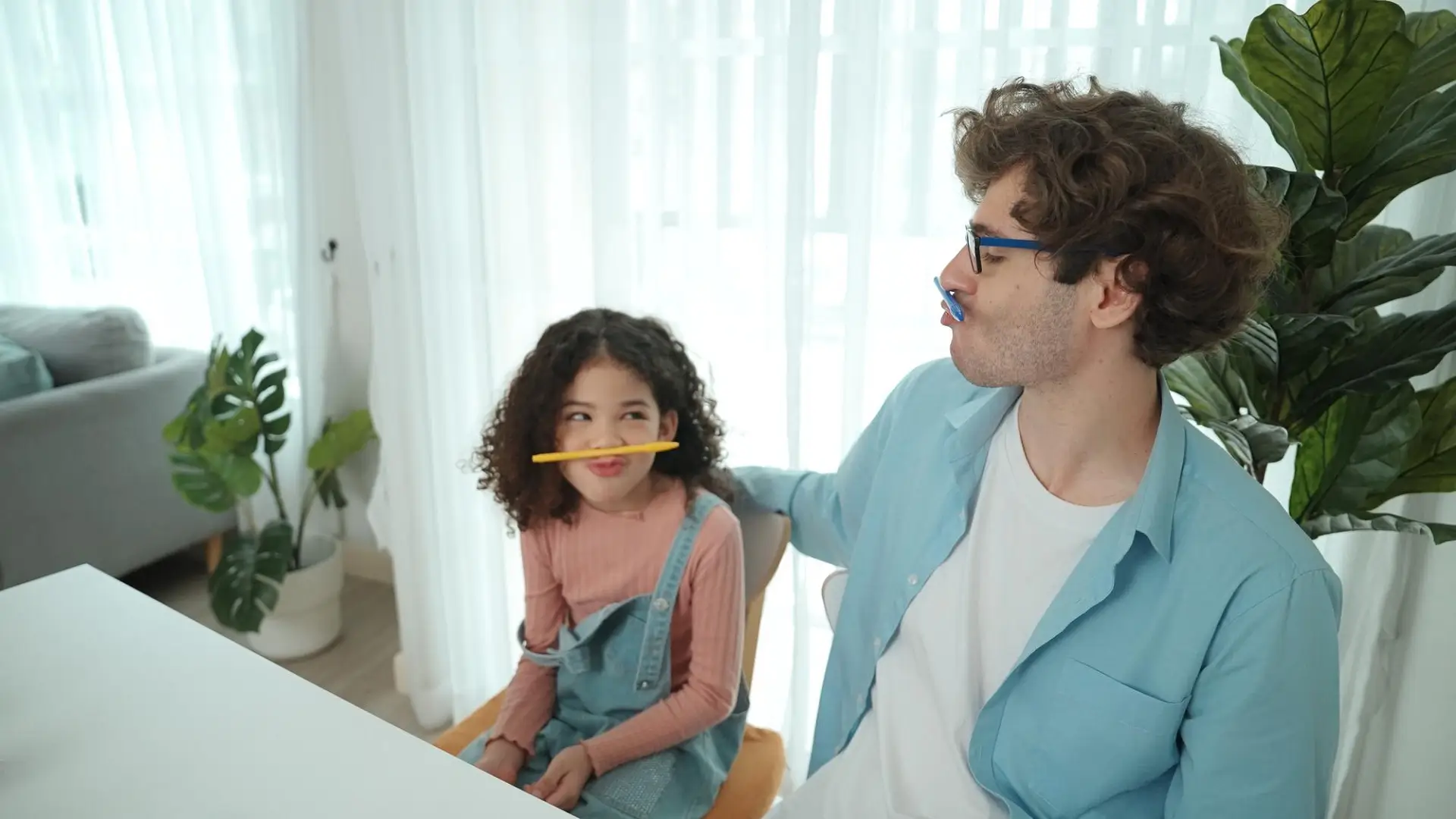
Co-parenting can bring together some of the most tender and complicated parts of family life. Whether parents are separated, divorced, navigating a blended family, or simply trying to parent more collaboratively, the work often requires patience, communication, and a steady commitment to the well-being of the child.
Healthy co-parenting does not mean there is never conflict. It does not mean both parents always agree, communicate perfectly, or share the same parenting style. Instead, healthy co-parenting means creating enough clarity, consistency, and emotional safety that children do not have to carry the weight of adult tension.
One of the most important shifts in co-parenting is moving from a partner-centered lens to a child-centered lens. The relationship between adults may have changed, but the child’s need for stability, connection, and reassurance remains.
A child-centered approach asks:
What does our child need to feel secure?
How can we reduce confusion or mixed messages?
What conversations need to happen between adults rather than through the child?
How can we respond in a way that supports our child’s emotional well-being, even when we feel frustrated?
Co-parenting also works best when expectations are clear. Children benefit when adults communicate about schedules, transitions, routines, discipline, school needs, and emotional concerns in ways that are direct and respectful. Clarity does not remove every challenge, but it often reduces unnecessary conflict.
A helpful principle is to keep communication brief, kind, and focused on the child. This can be especially important when the co-parenting relationship is strained. Long explanations, emotional rehashing, or reactive messages can quickly pull parents back into old conflict patterns. When possible, communication can be centered on facts, logistics, and the child’s needs.
For example:
“I wanted to let you know that she has a school project due Friday. She has the instructions in her backpack.”
“He seemed sad after the transition today. I reassured him that both homes are safe and that we both love him.”
“Can we confirm the pickup time for Saturday so the schedule is clear?”
Co-parenting also requires emotional boundaries. Children should not be asked to take sides, deliver difficult messages, or manage a parent’s feelings. They deserve permission to love both parents without guilt or pressure.
This does not mean parents have to pretend everything is easy. It means children are allowed to be children, while adults seek support, regulation, and appropriate spaces to process their own emotions.
When co-parenting feels difficult, it can help to return to a few grounding commitments:
Keep the child out of adult conflict.
Speak respectfully about the other parent when the child is present.
Create predictable routines whenever possible.
Communicate clearly and directly with the other adult.
Repair when mistakes happen.
Focus on what supports the child’s sense of safety and belonging.
Co-parenting is not about perfection. It is about creating a family system where children feel loved, supported, and protected from unnecessary emotional burden.
With clarity, care, and consistent effort, co-parenting can become less reactive and more intentional. Even in complicated family dynamics, small choices made with the child in mind can create meaningful stability over time.